Why Have Water-Based Pressure-Sensitive Adhesives Suddenly Become a Favorite of Leading Automakers?

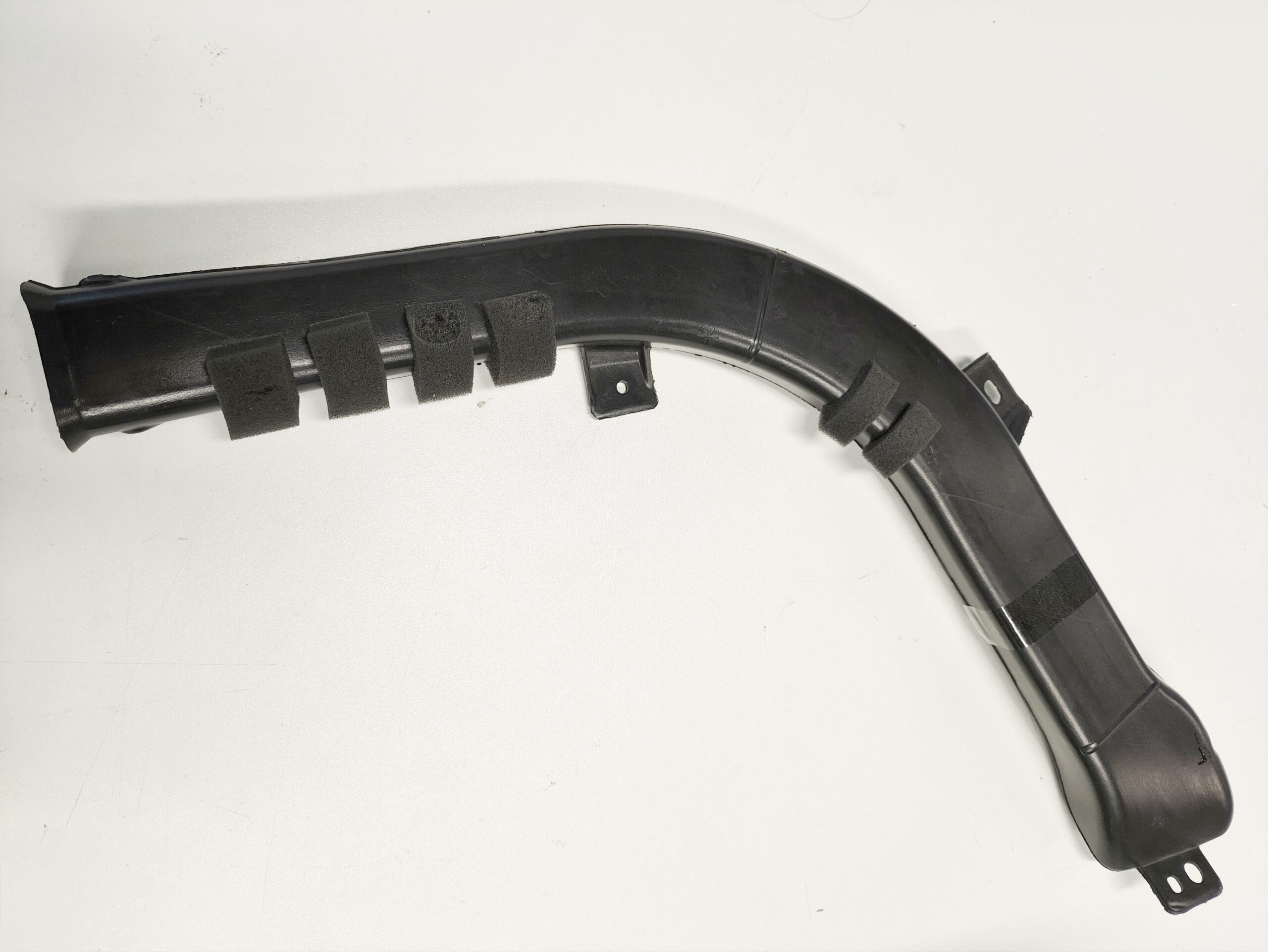
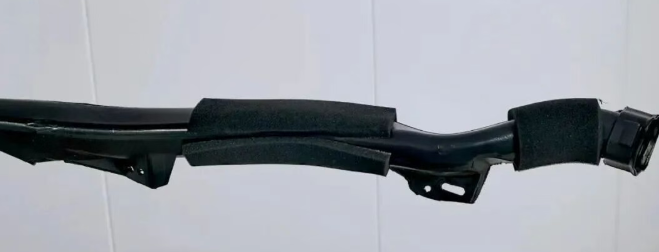
Water-based acrylic pressure-sensitive adhesives (hereinafter referred to as water-based PSAs) are now widely used in automotive interior applications such as NVH backing for HVAC assemblies, steering wheel HOD (Hands-Off Detection) backing, vanity mirror bonding, and seat comfort foam lamination. These applications directly affect driving experience and structural stability, making the adhesive a critical material for automotive interior performance.

Compared with traditional solvent-based adhesives, water-based PSAs have become the preferred choice for automotive interiors for two key reasons:

First, they meet the automotive industry’s stringent requirements for low odor and low VOC (volatile organic compounds), aligning with increasingly strict environmental standards.

Second, they are capable of withstanding the extreme conditions encountered during real vehicle use.
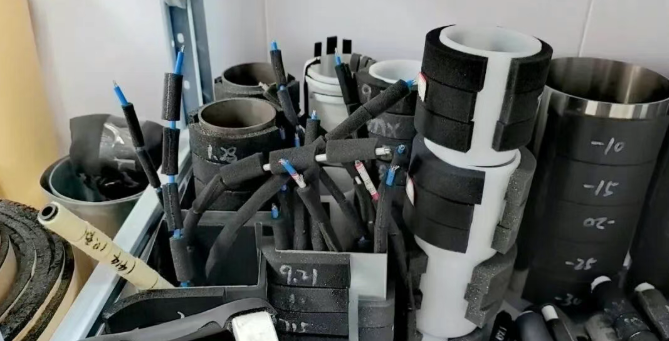
Automotive environments are highly variable: interior temperatures can exceed 60 °C under summer sun exposure, drop below –20 °C in winter, and experience significantly increased humidity during rainy conditions. However, water-based PSAs are inherently sensitive to moisture. Under high-humidity conditions, the adhesive film can absorb moisture from the air; once moisture absorption and hydrolysis occur, adhesion performance may deteriorate, potentially leading to interior component detachment.

Therefore, for a water-based PSA to be truly suitable for automotive interiors, “being able to stick” is far from enough. It must pass a series of targeted validation tests.

1. How Does a Water-Based Acrylic PSA “Stick” to Automotive Interiors?

The defining feature of pressure-sensitive adhesives is that they are tacky at room temperature and can form a strong bond with light pressure. Water-based acrylic PSAs follow this same principle, but their performance relies more heavily on molecular structure and interaction with substrates.

From a technical standpoint, adhesion mainly depends on three key mechanisms:

  • Van der Waals forces: Acrylic polymer chains in the adhesive interact with molecules on the surface of interior substrates such as plastics, fabrics, and foams, generating intermolecular attraction.

  • Wetting behavior: After coating, the water-based adhesive forms a uniform film that wets and penetrates microscopic pores on the substrate surface, creating a “mechanical interlocking” effect.

  • Cohesive strength: The internal strength of the adhesive film ensures that the adhesive does not fail internally after bonding, allowing stable transmission of adhesion forces.

In simple terms, a high-performance water-based acrylic PSA must strike a delicate balance between adhesion (tack), cohesion (internal strength), and wettability (substrate compatibility). Variations in temperature and humidity inside a vehicle can easily disrupt this balance—making environmental testing essential.
2. Why Temperature and Humidity Are the Biggest Challenges

High humidity, especially during rainy conditions, poses the most direct challenge to water-based PSAs. Because the adhesive film contains hydrophilic functional groups, it can absorb moisture from the air under humid conditions, triggering moisture absorption and hydrolysis. This process damages the adhesive structure in two major ways:

  • Moisture intrusion reduces interfacial adhesion, effectively creating a “water layer” between the adhesive and the substrate, leading to a sharp drop in bond strength.

  • Hydrolysis breaks polymer chain linkages within the adhesive, reducing cohesive strength and making the film brittle, potentially causing cracking or powdering.

Once these failures occur, interior components may loosen or detach—for example, foam backing in HVAC assemblies may fall off and rattle, or steering wheel HOD sensitivity may be compromised—directly affecting driving comfort and safety.
 

Temperature extremes further exacerbate these issues. At high temperatures, increased molecular mobility lowers adhesive modulus: wetting may improve, but cohesive strength decreases. At low temperatures, molecular motion is restricted, modulus increases sharply, wetting becomes insufficient, and adhesion drops. High temperatures also accelerate moisture penetration and degradation, causing faster adhesive failure.

As a result, testing for automotive interior water-based PSAs must focus on high-temperature/high-humidity exposure and temperature cycling.

3. Two Core Tests to Verify Extreme Environmental Resistance

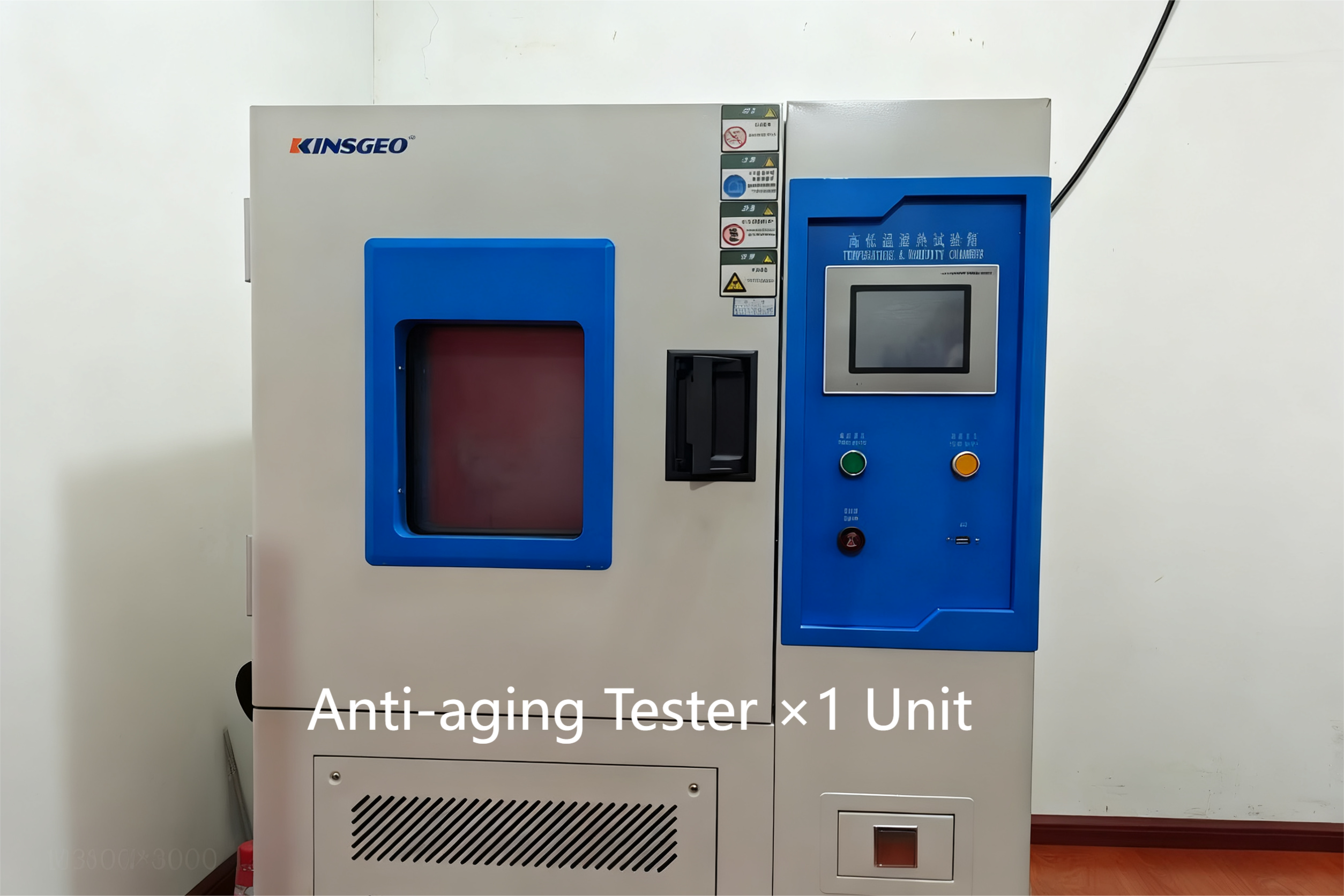
To realistically simulate harsh automotive conditions, two key temperature- and humidity-related tests are commonly used: the 85/85 test and thermal cycling (hot–cold cycling) test. Both focus on monitoring changes in peel strength under extreme conditions to confirm long-term bonding stability.
3.1 85/85 Test

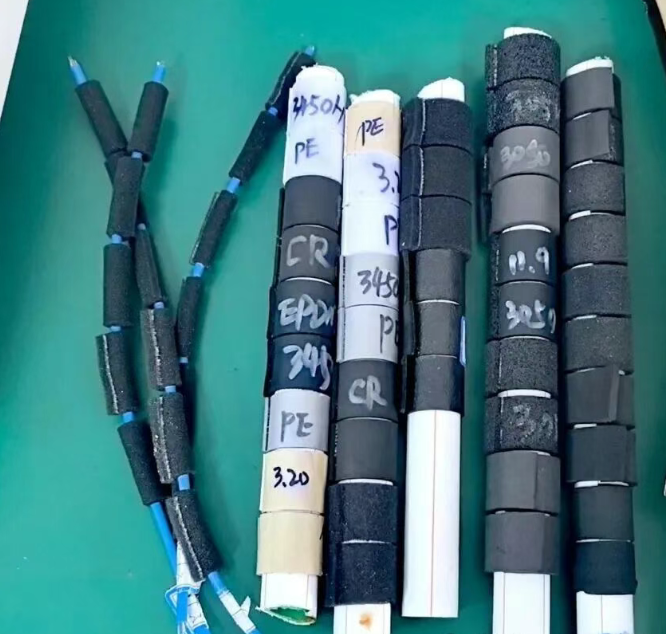
The 85/85 test involves bonding adhesive-coated samples to typical automotive substrates (such as PP, ABS, or textiles) and placing them in an environment of 85 °C and 85% relative humidity for an extended period (duration defined by product requirements).

This test simulates scenarios such as long-term driving or outdoor parking in hot, rainy regions, where the vehicle interior remains in sustained high-temperature and high-humidity conditions. Peel strength is measured at various time intervals. If the reduction in peel strength is minimal and no debonding or adhesive residue issues occur, the adhesive demonstrates strong resistance to hygrothermal aging.

3.2 Thermal Cycling Test

While the 85/85 test focuses on sustained heat and humidity, the thermal cycling test simulates dramatic temperature fluctuations across regions and seasons. Typical conditions range from –40 °C (severe winter) to 100 °C (summer sun exposure), with repeated cycles consisting of low-temperature dwell, heating, high-temperature dwell, and cooling phases.

Under such “thermal shock” conditions, both adhesive and substrate expand and contract at different rates. If the adhesive lacks sufficient flexibility or cohesive strength, cracking or delamination is likely. This test evaluates dimensional stability and long-term adhesion durability. Only adhesives that remain firmly bonded without edge lifting or failure after multiple cycles are considered suitable for all-climate, all-region vehicle use.
 

4. Conclusion: Only Tested Performance Qualifies for Automotive Interiors

From an adhesion mechanism perspective, water-based PSAs rely on a balance between molecular attraction, wetting, and cohesive strength. Extreme automotive conditions—high temperature, high humidity, and temperature fluctuations—directly challenge this balance.

The 85/85 test and thermal cycling test precisely evaluate an adhesive’s resistance to moisture-heat aging and temperature variability by replicating the harshest real-world environments. A water-based acrylic pressure-sensitive adhesive that performs consistently in both tests—maintaining required peel strength without debonding—does more than meet environmental regulations. It provides critical assurance of interior component stability and delivers a safer, more comfortable driving experience.
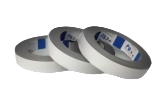
 

You Know? Thickness ≠ Adhesion!

In our traditional concept, we always think Thicker tape means stronger adhesion?” Is this really the truth? NO.

Actually, adhesion mainly depends on the adhesive’s formulation(adhesive type, adhesive solids content), the compatibility of the substrate and the adhered object, and coating uniformity. Tape thickness is determined by cushioning or gap-filling needs.Thick tapes aren’t necessarily stronger, and thin tapes can still provide reliable bonding with high-quality adhesives.


Thickness has no direct relationship with Adhesion

Thickness mainly depends on the carrier and adhesive layer.

Thick double-sided tapes (e.g., foam tapes) generally offer strong gap-filling properties, compensating for uneven surfaces.

Thin double-sided tapes (e.g., PET, nonwoven carriers) are better suited for flat, smooth surfaces, ensuring better aesthetics and fit.

Adhesion mainly determined by adhesive formulation.

Regardless of thickness, the true bonding performance is decided by the pressure-sensitive adhesive itself, such as acrylic, rubber, or silicone systems.

Tapes of the same thickness but different adhesives may vary significantly in initial tack, holding power, temperature resistance, and aging resistance.

Summary:

1.Thickness ≠ Adhesion.

2.Thick tapes are generally more suitable for rough and irregular surfaces.

3.Thin tapes are more suitable for smooth and precision bonding.

4.Adhesion strength should be judged by the adhesive system and performance parameters.


Application Comparison by Tape Thickness:

Thickness Range Typical Carrier Characteristics Typical Applications
Ultra-thin (≤0.1mm) PET, carrier-free Excellent appearance, high transparency, minimal space, ideal for precision bonding Smartphones, tablets, display lamination, membrane switches, nameplate attachment
Medium (0.1–0.3mm) Nonwoven, tissue Good flexibility, strong initial tack, easy handling, suitable for flat surfaces Home appliances, labels, decorative trims, paper converting
Thick (0.3–1.0mm) Foam, cloth Excellent gap filling, cushioning, shock absorption, reliable on rough surfaces Automotive interiors, construction materials, metal-to-plastic bonding
Extra-thick (>1.0mm) High-density foam High load-bearing, impact resistance, vibration damping, long-term holding power Glass curtain walls, automotive components, structural bonding (can partially replace screws/rivets)

Key Takeaways:

Thin ≠ Weak Adhesion → Thin tapes can achieve strong bonding but require smooth surfaces.

Thick ≠ Stronger Adhesion → The key advantage of thick tapes lies in gap filling and impact resistance, not simply stronger adhesive force.

Final bonding performance depends onAdhesive System + Thickness + Substrate Characteristics.


Characteristics of Foam Materials:

Surface roughness and porosity;

Relatively low surface energy (e.g., PE/EVA foams are difficult to bond with general adhesives);

Softness and elasticity, prone to shifting during lamination and service.


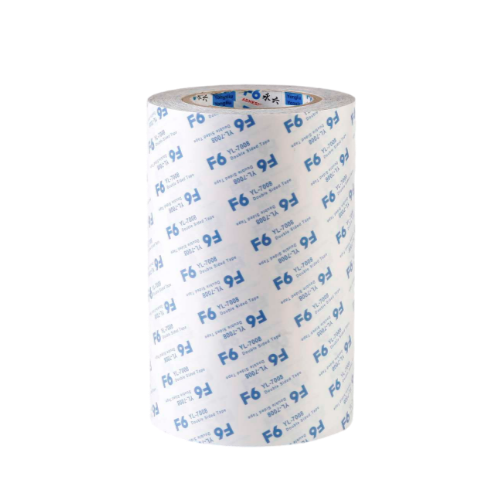
Advantages of F6 Double-Sided Tape:

Acrylic PSA:excellent aging resistance, temperature resistance, and holding power.

High initial tack + long-term adhesion, maintaining reliable bonding even on rough or low surface energy materials.

Multiple thickness options (commonly tissue, PET, or nonwoven carriers) to balance fit and cushioning.

F6 double-sided tapes use Acrylic Pressure-Sensitive Adhesive, offering excellent aging, temperature, and weather resistance, making them suitable for long-term applications in automotive, electronics, and outdoor use. While their cost and quality may be less obvious in general bonding, their advantages shine in specialized foam bonding (PU, PE, EPDM, etc.), providing precise substrate compatibility, strong stability, weather resistance, conformability, and superior cost-effectiveness.”


Typical Applications:

Automotive: bonding of foams (PU, PE, EVA) with plastics/metal parts.

Appliances::attachment of cushioning strips and sealing foams.

Electronics:foam pads, shock-absorbing foams combined with housings.

Construction:sealing foams, sound insulation materials.


Conclusion:

In summary, we must clearly know that  “Thickness ≠ Adhesion” and learn to judge bonding performance based on the characteristics of the surface being bonded and the adhesive system (such as Acrylic PSA). F6 Double-Sided Tape delivers strong weather and temperature resistance, excels in bonding rough or low-energy surfaces, and offers high tack with customizable thickness. Its balance of performance and cost makes it ideal for automotive, appliance, electronics, and construction applications.

Precautions for Direct Coating Water-based PSA

Dear Customer,

Thank you for choosing our water-based PSA product.

This adhesive is an acrylic emulsion, non-hazardous, with low VOC content. It is more environmentally friendly and safer for operators’ health, while maintaining bonding strength and heat/humidity resistance comparable to traditional solvent-based PSAs.


On Odor

Low VOC does not necessarily mean low odor.

Even water-based PSAs have a certain level of odor. Perception of odor varies among individuals due to differences in olfactory sensitivity. For customers with low-odor requirements, please ensure good workshop ventilation after coating, and avoid storing PSAs together with other solvent-based or odorous materials in the same space.


On Solid Content & Viscosity

Our water-based PSAs are generally supplied in high-solid form (≥50% solids) to suit coating lines of various lengths and heating conditions. This helps reduce energy consumption, lower water content, and shorten drying time.

  • Typical RT viscosity: 10,000 – 25,000 mPa·s

  • Suitable for:

    • Oven length: 16 – 30 m

    • Wet coating weight: 80 – 200 g/m²

    • Line speed: 3 – 20 m/min

If your oven length, coating weight, or line speed exceeds these ranges, please inform us so we can adjust the viscosity to ensure coating compatibility.


Key Coating Considerations

  1. Five critical coating variables: temperature profile, coating speed, air in/out volume, lamination pressure, curing time.

    • These must be adjusted based on oven length, heating power, coating weight, substrate type, and adhesive performance requirements.

    • If you are using our PSA for the first time, please inform us of your equipment specifications (length, heating method) so we can recommend optimal coating parameters.

  2. Drying principle: Water-based PSAs dry by water evaporation.

    • Air volume balance is often overlooked. Insufficient dehumidification may lead to high moisture concentration inside the oven, causing condensation or poor drying efficiency.

  3. Dry adhesive lamination:

    • Prefer two-step lamination:

      • Step 1: Pre-lamination (light pressure to exhaust air and smooth surface)

      • Step 2: Final lamination (higher pressure to enhance penetration and adhesion)

    • One-step lamination may cause material deformation or thickness reduction, leading to shrinkage after die-cutting.

  4. Glue pan handling:

    • Keep liquid level 1 cm below the baffle to avoid roller–baffle friction that generates heat and dried gel particles, which may block the doctor blade and cause line defects.

    • Periodically spray ~75% ethanol at the baffle edges to reduce bubbles and dried particles.

  5. Curing time:

    • Adhesive strength improves with curing.

    • 24 hours: good adhesion

    • 72 hours: stable adhesion

    • For low-density foams without release liners, avoid multi-layer die-cutting, as adhesive penetration may cause “loss of tack.”

  6. Release liner precautions:

    • Paper liners with single-side PE/silicone coatings may warp under high humidity, causing delamination. Ensure proper dehumidification.

    • Under very dry conditions, ensure re-moisturizing to prevent liner curling or strong static buildup.


Adhesive Storage

  • Store at 0–40℃.

  • Use within 6 months for best performance.

  • After opening, seal tightly to prevent surface skinning.

  • If additives are introduced or the adhesive is altered without our consent, we will not be responsible for quality issues.


Manual Application Notes

  1. Temperature control:

    • Ensure workshop temperature is above 10℃.

    • Substrate temperature must not be below 9℃.

  2. Surface preparation:

    • Metal parts: free from oil, condensation, or coolant.

    • Plastic parts: free from mold-release agents.

  3. Manual bonding:

    • Apply a lamination pressure of at least 100 gf/cm².

    • Cold press dwell time: ≥1 second (longer is better).

Introduction of PET D/S Adhesive Tape Series

PET double-sided tape is made with PET film as the base material. It has high bonding strength, good stability, as well as temperature resistance (usually -40℃~120℃), aging resistance and corrosion resistance. It can replace screws and other mechanical fasteners, used in electronics, automotive and home appliance fields to fix screen components, interior parts and circuit boards. It can also attach advertising letters and decorative panels to ensure a flat surface.Below is an introduction to our company’s PET D/S Adhesive Tape series:

(一)Basic Characteristic:

 Product Type F708 F709 F710 F708-20 FR708-20 F7013
Image 
Carrier Polyester Black Polyester Polyester Polyester Polyester Polyester
Type of Adhseive Solvent Pressure Sensitive Adhesive Solvent & Rubber
Total Thickness 0.125mm 0.125mm 0.1mm 0.2mm 0.2mm 0.125mm
180°Peel Adhesion 25N/25mm 26N/25mm 17N/25mm 28N/25mm 29N/25mm 18N/25mm
Loop Tack 22# 22# 18# 30# 30# 18#
Temperature Resistance Range -10℃-100℃ -10℃-100℃  -10℃-100℃  -10℃-120℃ -10℃-100℃ 0℃-60℃

(二)Application Area:

Product Type Application
F708 Wide application range and general-purpose. Used for automotive interior parts, plastic components of home appliances, nameplates and labels on industrial equipment (especially suitable for bonding hard-to-stick plastic housings such as PP, PE, and ABS).
F709 On the basis of the bonding performance of 708, it additionally provides light-shielding, anti-transmission, and black aesthetic appearance functions.
F710 Offers the same bonding performance as 708 but is more suitable for lightweight and precision applications.
F708-20 With greater thickness, it is ideal for rough surfaces, gap filling, and structural fixation (automotive, home appliances, industrial components).
FR708-20 Widely used in automotive, home appliances, industrial, and advertising/printing industries, where high long-term reliability is required.
F7013  One side provides permanent adhesion suitable for long-term fixing, while the other side is removable, designed for temporary fixation or repositionable applications. Typical uses include electronic displays, protective films, automotive assembly, advertising mounting, and tooling/fixtures.

(三)Advantages Over Brand Tapes:

Product Type F708 F709 F710 F708-20 FR708-20 F7013 
Replaced Model 3M 9475LE 3M 9475LEB 3M 93010LE 3M 93020LE Tesa 4965 Nitto-NO.535A

1、Narrowing Performance Gap

Our Products are coated with in-house developed acrylic pressure-sensitive adhesive, which provides excellent bonding strength to most materials. The performance meets the majority of requirements in automotive, electrical, and household appliance assembly. Under normal application scenarios, the performance gap compared to branded tapes has become minimal.

2、Cost Advantage

As an alternative to branded double-sided tapes, our products deliver comparable performance at only a fraction of the price. This significantly reduces costs for both enterprises and end-users, offering a clear cost-performance advantage.

3、Low Minimum Order Quantity (MOQ)

Many branded tapes only accept large-volume orders with little to no support for small-batch customization. In contrast, our tapes are available with a lower MOQ, allowing customers to avoid excessive procurement, unnecessary capital lock-up, and inventory build-up.

4、Lead Time & Flexibility

Branded tapes often involve long lead times, with some models even requiring overseas sourcing. Our products offer much shorter delivery cycles, with the ability to provide quick sampling, customized thickness, and slitting dimensions.

5、Environmental Compliance

Our PET double-sided tapes comply with environmental and safety standards, certified by SGS, ISO, and RoHS. They are halogen-free and fully RoHS-compliant, meeting the environmental requirements of both domestic and international customers.

(四)Conclusion:

If you are currently using brand tape, you can try our product . Especially for manufacturers of PET double-sided adhesive tape for large-scale applications, such as home appliance assembly and automotive interior, the cost difference is very significant. If you are interested in our products, you can contact us on the consultation page. We can provide you with samples!

Is F6 708 the 3M 9475LE Alternative You’ve Been Waiting For?


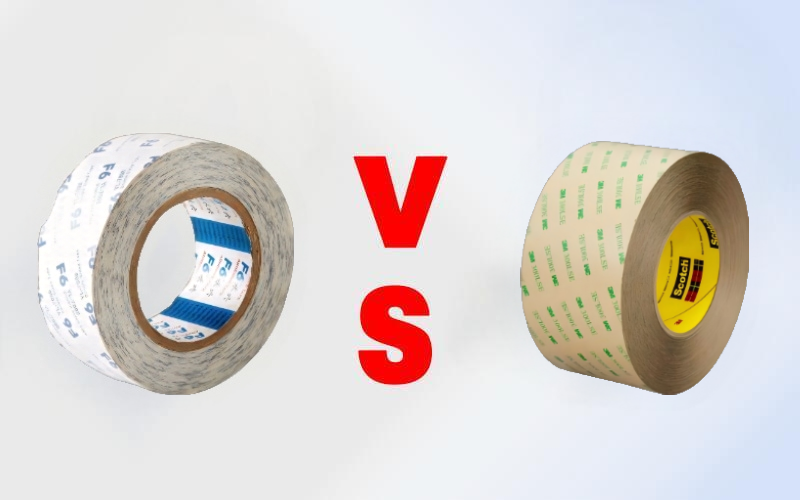
When it comes to high-performance double-sided tapes in the automotive industry, 3M 9475LE is often the go-to choice. However, for those looking for a more cost-effective option without sacrificing performance, F6 708 is quickly becoming a top alternative—especially in automotive applications. Let’s explore why F6 708 is an excellent substitute for 3M 9475LE, offering similar features and great value.

1. Adhesive System and Backing

      3M 9475LE: Built with high-performance Acrylic adhesive on a PET (polyester) film, it provides outstanding shear strength and dimensional stability. This makes it ideal for demanding, long-term applications.

      F6 708: Uses the Solvent-based PSA+ PET film construction. While its formulation focuses on cost-performance balance, it delivers reliable bonding strength on common automotive materials such as ABS, PVC, and PP.


2. Temperature Resistance

  • 3M 9475LE:

    • Short-term resistance: up to 150°C,Long-term resistance: up to 90°C

    • Well-suited for exterior automotive parts and under-the-hood components where high heat is expected.

  • F6 708:

    • Short-term resistance: up to 120°C ,Long-term resistance: up to 60°C

    • More appropriate for interior applications, where extreme heat exposure is less critical.


3. Adhesion Strength and Holding Power

  • 3M 9475LE:

    • Offers exceptional bonding to low-surface-energy (LSE) materials such as polypropylene (PP) and polyethylene (PE).

    • This capability is critical not only in the automotive industry (dashboard plastics, trims, interior parts), but also in electronics (PP housings, PE films), appliances, and industrial equipment where LSE substrates are widely used.

    • High shear strength ensures durability under vibration and stress, making it ideal for badges, emblems, and trims exposed to exterior conditions.

  • F6 708:

    • Peel adhesion values such as 33 N/25mm on PVC and strong performance on ABS and PC show that it delivers sufficient strength for interior trims and decorative parts.

    • Offers reliable shear resistance for most interior bonding tasks, though slightly lower than 3M 9475LE under continuous mechanical stress.


4. Cost Efficiency

     3M 9475LE: A premium solution with proven durability and environmental resistance, but its higher price makes it less economical for large-scale, cost-sensitive projects.

     F6 708: Offers comparable adhesion performance in many use cases at a more competitive cost, making it highly attractive for mass production of automotive interiors and decorative elements.


5. Application Focus

  • 3M 9475LE:

    • Ideal for critical parts requiring maximum durability: exterior trims, nameplates, badges, and engine-related components.

    • Excels in harsh environments with exposure to UV, heat, and moisture.

  • F6 708:

    • Optimized for interior automotive applications such as dashboard trims, door panels, console components, and decorative moldings.

    • Best suited for high-volume manufacturing, where performance must align with strict cost targets.


Conclusion

Both 3M 9475LE and F6 708 deliver strong bonding and reliable performance. However, their strengths lie in different areas:

3M 9475LE remains the premium choice for exterior and high-heat applications, where long-term durability under harsh conditions is critical.

F6 708, on the other hand, provides excellent performance for interior automotive parts, offering a cost-effective alternative that meets most bonding requirements while significantly reducing material expenses.

In short, F6 708 is the smart substitute for 3M 9475LE when performance and cost efficiency must go hand in hand—especially in the automotive industry. ⚙️✨

2023 APFE Tape, Film & Material Expo

The Shanghai APFE Adhesive Tape and Film Exhibition, also known as the 19st Shanghai International Adhesive Tape and Film Exhibition (APFE 2023), is a prestigious event dedicated to the global adhesive tape and film industry. F6 Adhesive Tape as  an exhibitor show the latest self-developed adhesive products.Here are the details about the exhibition:

Exhibitor Ningbo Yongliu New Material Technology CO.,LTD
Booth.No 2A30
Date June 19, 2023 – June 21, 2023
Location NECC(Hongqiao)Shanghai/ China
F6 Products On Display Solvent Based & Water Based Acrylic Adhesive
Tissue Paper & Non Woven Fabric Double Sided Tape
PE & Acrylic Foam Tape
Transfer Tape
PET & MOPP  Holding Tape
Items To Be Exhibited Film production line, Coating Machine, Splitting machine, Die Cutting Machine, Winding Control, Adhesive Tape, Protective Film, Functional Film, Package, Release Material, Pressure Sensitive Label, Die Cut Roll material, Raw Materials and Chemicals
For Visitors Eligibility : Trade only
Method of admission : Apply/register online
For details, please contact the organizer directly
Industry Automotive, Home appliance, Building&construction, Electronics, Flexible packaging
Frequency Annual
Official Website For more detailed information of the trade fair, please check:https://www.apfechina.com/

2024 APFE Tape, Film & Material Expo

The Shanghai APFE Adhesive Tape and Film Exhibition, also known as the 20st Shanghai International Adhesive Tape and Film Exhibition (APFE 2024), is a prestigious event dedicated to the global adhesive tape and film industry. F6 Adhesive Tape as  an exhibitor show the latest self-developed adhesive products.Here are the details about the exhibition:

Exhibitor Ningbo Yongliu New Material Technology CO.,LTD
Booth.No 1.1-1T16
Date June 3, 2024 – June 5, 2024
Location NECC(Hongqiao)Shanghai/ China
F6 Products On Display Solvent Based & Water Based Acrylic Adhesive
Tissue Paper & Non Woven Fabric Double Sided Tape
PE & Acrylic Foam Tape
Transfer Tape
PET & MOPP  Holding Tape
Items To Be Exhibited Film production line, Coating Machine, Splitting machine, Die Cutting Machine, Winding Control, Adhesive Tape, Protective Film, Functional Film, Package, Release Material, Pressure Sensitive Label, Die Cut Roll material, Raw Materials and Chemicals
For Visitors Eligibility : Trade only
Method of admission : Apply/register online
For details, please contact the organizer directly.
Industry Automotive, Home appliance, Building&construction, Electronics, Flexible packaging
Frequency Annual
Last Fair Information  Exhibition Area: 53,000 square meters
Number of Exhibitors: 900 companies
Number of Visitors: Expected to exceed 39,000
Official Website For more detailed information of the trade fair, please check:https://www.apfechina.com/

2025 Foam Expo North America

Foam Expo North America is recognized as a premier trade fair, attracting professionals, manufacturers, and experts from the foam and adhesive industries. It ailored to serve a range of end-user industries, and delivers in-depth knowledge and expertise on the dynamic world of foam.

F6 Adhesive Tape as a leading manufacturer of high-quality industrial tapes.We are very pleased to participate in 2025 Foam Expo North America and showcases our latest innovative adhesive products.Here are the details about the exhibition:

Exhibitor Ningbo Yongliu New Material Technology CO.,LTD
Booth.No 1002
Date June 24, 2025 – June 26, 2025
Location Novi, Michigan / USA / North America
F6 Products On Display Solvent Based & Water Based Acrylic Adhesive
Tissue Paper & Non Woven Fabric Double Sided Tape
PE & Acrylic Foam Tape
Transfer Tape
PET & MOPP  Holding Tape
Items to be exhibited Foam Equipment and Machinery, Raw Materials, Processing, Laminating, Molding, Cutting, Converting, Fabricating, Recycling and Testing
For Visitors Eligibility : Trade only
Method of admission : Apply/register online
For details, please contact the organizer directly.
Industry Fundamental Industries, Chemistry, Rubber, Plastics, Materials
Machinery, Industrial Technology,Testing, Measuring & Analyzing, Precision Mechanics, Manufacturing Technology & Engineering, 
Technology/Materials,Composites, R & D, Transportation, Logistics, Packaging , Automobiles(incl. Parts, Machinery), Aviation, Airport Equipment
Last Fair Information  2024 year
Total number of visitors : 5300
Total number of exhibitors : 388
The past records may include concurrent/joint exhibits.
Official Website For more detailed information of the trade fair, please check:https://www.foam-expo.com/

2023 Foam Expo Europe

Foam Expo Europe is recognized as a premier trade fair, attracting professionals, manufacturers, and experts from the foam and adhesive industries. It ailored to serve a range of end-user industries, and delivers in-depth knowledge and expertise on the dynamic world of foam.

F6 Adhesive Tape as a leading manufacturer of high-quality industrial tapes.We are very pleased to participate in 2023 Foam Expo Europe and showcases our latest innovative adhesive products.Here are the details about the exhibition:

Exhibitor Ningbo Yongliu New Material Technology CO.,LTD   
Booth.No 903
Date

Dec 05, 2023 – Dec 07, 2023

Location

Messe Stuttgart / Germany

F6 Products On Display Solvent Based & Water Based Acrylic Adhesive
Tissue Paper & Non Woven Fabric Double Sided Tape
PE Foam Tape
Transfer Tape
PET & MOPP  Holding Tape
Items To Be Exhibited  Foam Raw Material, Chemical Raw Material, Foam Semi-Finished Product, Packaging Materials (pearl cotton, EVA foam…), Foaming Equipment, Sponge Processing Equipment, Special Foam Materials, etc.
For Visitors Eligibility : Trade only
Method of admission : Apply/register online
For details, please contact the organizer directly.
Industry Automobiles, Erospace, Construction and Building Materials, Healthcare, Sports, Packaging, Electronics
Frequency Annual
Last Fair Information  Number of Vistors: Expected to exceed 5000
Number of Exhibitors: 253 companies
Number of  Speech Spearkers: 95 people
Official Website For more detailed information of the trade fair, please check:https://www.foam-expo-europe.com/whatson

F6 Adhesive Tape has participated in all previous APFE

The APFE Tape, Film& Material was start held in 2007. It is an event leading future’s of global adhesive materials and functional film industry. It has now firmly ranked first among brand exhibitions in the international tape and film industry.

Since 2015, F6 tape has actively participated in APFE every year, discussing with domestic and foreign industry people to discuss the technical solutions for the new generation of adhesive tape.

The 11st Shanghai International Tape & Film Expo  May 7, 2025 – May 9, 2015
The 12st Shanghai International Tape & Film Expo  May 17, 2025 – May 19, 2016
The 13st Shanghai International Tape & Film Expo  May 24, 2025 – May 26, 2017
The 14st Shanghai International Tape & Film Expo  May 25, 2025 – May 27, 2018
The 15st Shanghai International Tape & Film Expo  June 12, 2025 – June 14, 2019
The 16st Shanghai International Tape & Film Expo  September 28, 2025 – September 30, 2020
The 17st Shanghai International Tape & Film Expo  May 26, 2025 – May 28, 2021
The 18st Shanghai International Tape & Film Expo  May 18, 2025 – May 20, 2022
The 19st Shanghai International Tape & Film Expo  June 19, 2025 – June 21, 2023
The 20st Shanghai International Tape & Film Expo  June 3, 2025 – June 5, 2023
The 21st Shanghai International Tape & Film Expo  June 17, 2025 – June 19, 2023