
Water-based acrylic pressure-sensitive adhesives (hereinafter referred to as water-based PSAs) are now widely used in automotive interior applications such as NVH backing for HVAC assemblies, steering wheel HOD (Hands-Off Detection) backing, vanity mirror bonding, and seat comfort foam lamination. These applications directly affect driving experience and structural stability, making the adhesive a critical material for automotive interior performance.
Compared with traditional solvent-based adhesives, water-based PSAs have become the preferred choice for automotive interiors for two key reasons:
First, they meet the automotive industry’s stringent requirements for low odor and low VOC (volatile organic compounds), aligning with increasingly strict environmental standards.
Second, they are capable of withstanding the extreme conditions encountered during real vehicle use.
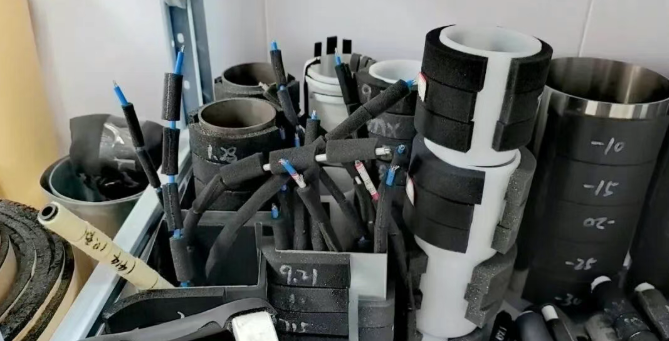
Automotive environments are highly variable: interior temperatures can exceed 60 °C under summer sun exposure, drop below –20 °C in winter, and experience significantly increased humidity during rainy conditions. However, water-based PSAs are inherently sensitive to moisture. Under high-humidity conditions, the adhesive film can absorb moisture from the air; once moisture absorption and hydrolysis occur, adhesion performance may deteriorate, potentially leading to interior component detachment.
Therefore, for a water-based PSA to be truly suitable for automotive interiors, “being able to stick” is far from enough. It must pass a series of targeted validation tests.
1. How Does a Water-Based Acrylic PSA “Stick” to Automotive Interiors?
The defining feature of pressure-sensitive adhesives is that they are tacky at room temperature and can form a strong bond with light pressure. Water-based acrylic PSAs follow this same principle, but their performance relies more heavily on molecular structure and interaction with substrates.
From a technical standpoint, adhesion mainly depends on three key mechanisms:
-
Van der Waals forces: Acrylic polymer chains in the adhesive interact with molecules on the surface of interior substrates such as plastics, fabrics, and foams, generating intermolecular attraction.
-
Wetting behavior: After coating, the water-based adhesive forms a uniform film that wets and penetrates microscopic pores on the substrate surface, creating a “mechanical interlocking” effect.
-
Cohesive strength: The internal strength of the adhesive film ensures that the adhesive does not fail internally after bonding, allowing stable transmission of adhesion forces.
In simple terms, a high-performance water-based acrylic PSA must strike a delicate balance between adhesion (tack), cohesion (internal strength), and wettability (substrate compatibility). Variations in temperature and humidity inside a vehicle can easily disrupt this balance—making environmental testing essential.
2. Why Temperature and Humidity Are the Biggest Challenges
High humidity, especially during rainy conditions, poses the most direct challenge to water-based PSAs. Because the adhesive film contains hydrophilic functional groups, it can absorb moisture from the air under humid conditions, triggering moisture absorption and hydrolysis. This process damages the adhesive structure in two major ways:
-
Moisture intrusion reduces interfacial adhesion, effectively creating a “water layer” between the adhesive and the substrate, leading to a sharp drop in bond strength.
-
Hydrolysis breaks polymer chain linkages within the adhesive, reducing cohesive strength and making the film brittle, potentially causing cracking or powdering.
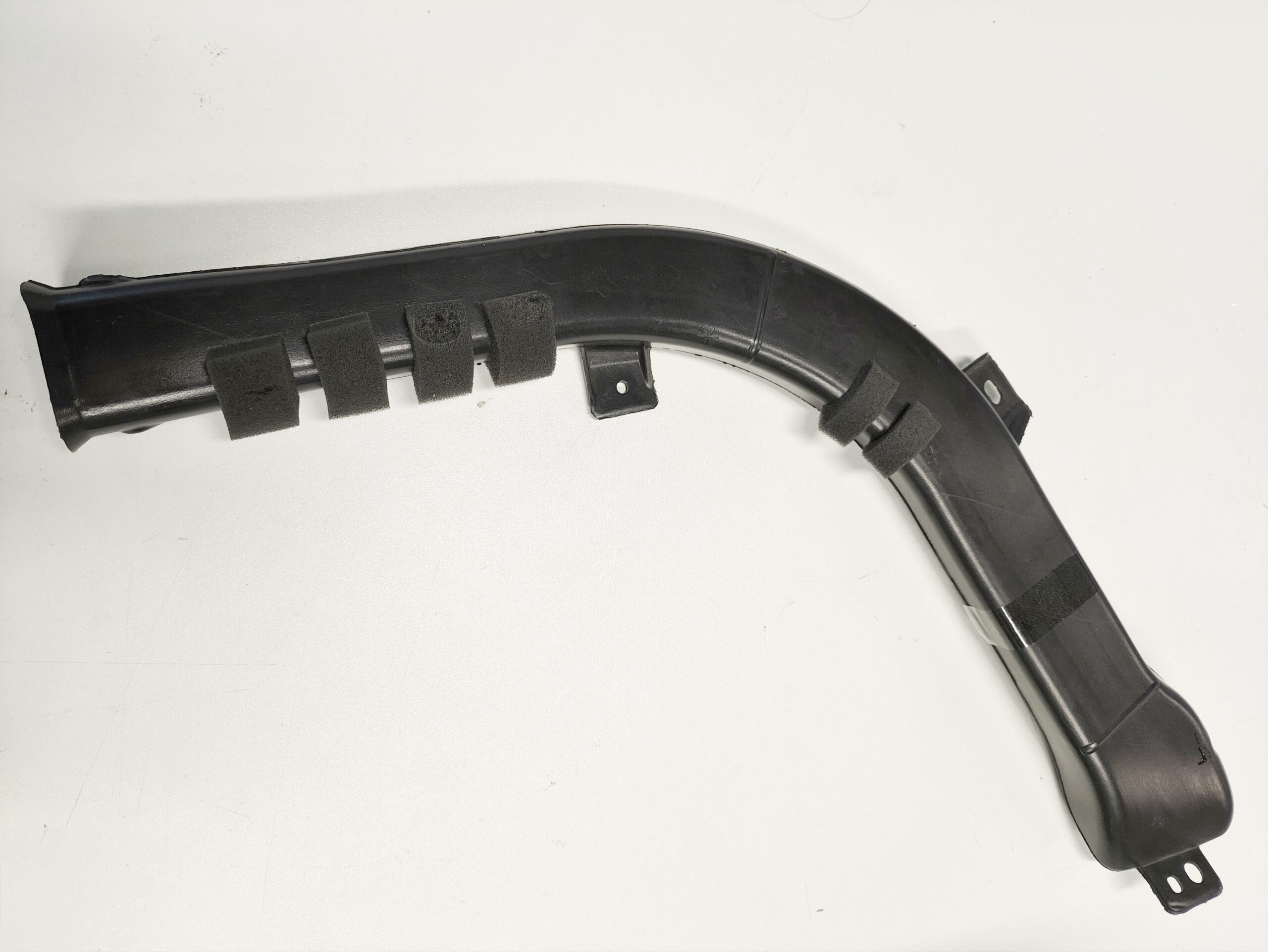
Once these failures occur, interior components may loosen or detach—for example, foam backing in HVAC assemblies may fall off and rattle, or steering wheel HOD sensitivity may be compromised—directly affecting driving comfort and safety.
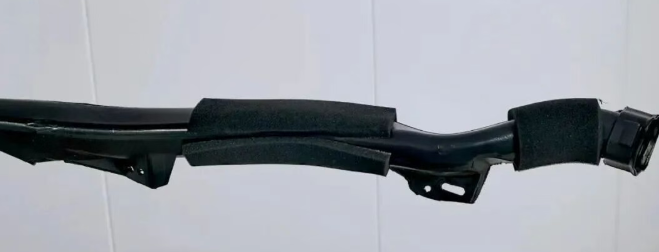
Temperature extremes further exacerbate these issues. At high temperatures, increased molecular mobility lowers adhesive modulus: wetting may improve, but cohesive strength decreases. At low temperatures, molecular motion is restricted, modulus increases sharply, wetting becomes insufficient, and adhesion drops. High temperatures also accelerate moisture penetration and degradation, causing faster adhesive failure.
As a result, testing for automotive interior water-based PSAs must focus on high-temperature/high-humidity exposure and temperature cycling.
3. Two Core Tests to Verify Extreme Environmental Resistance
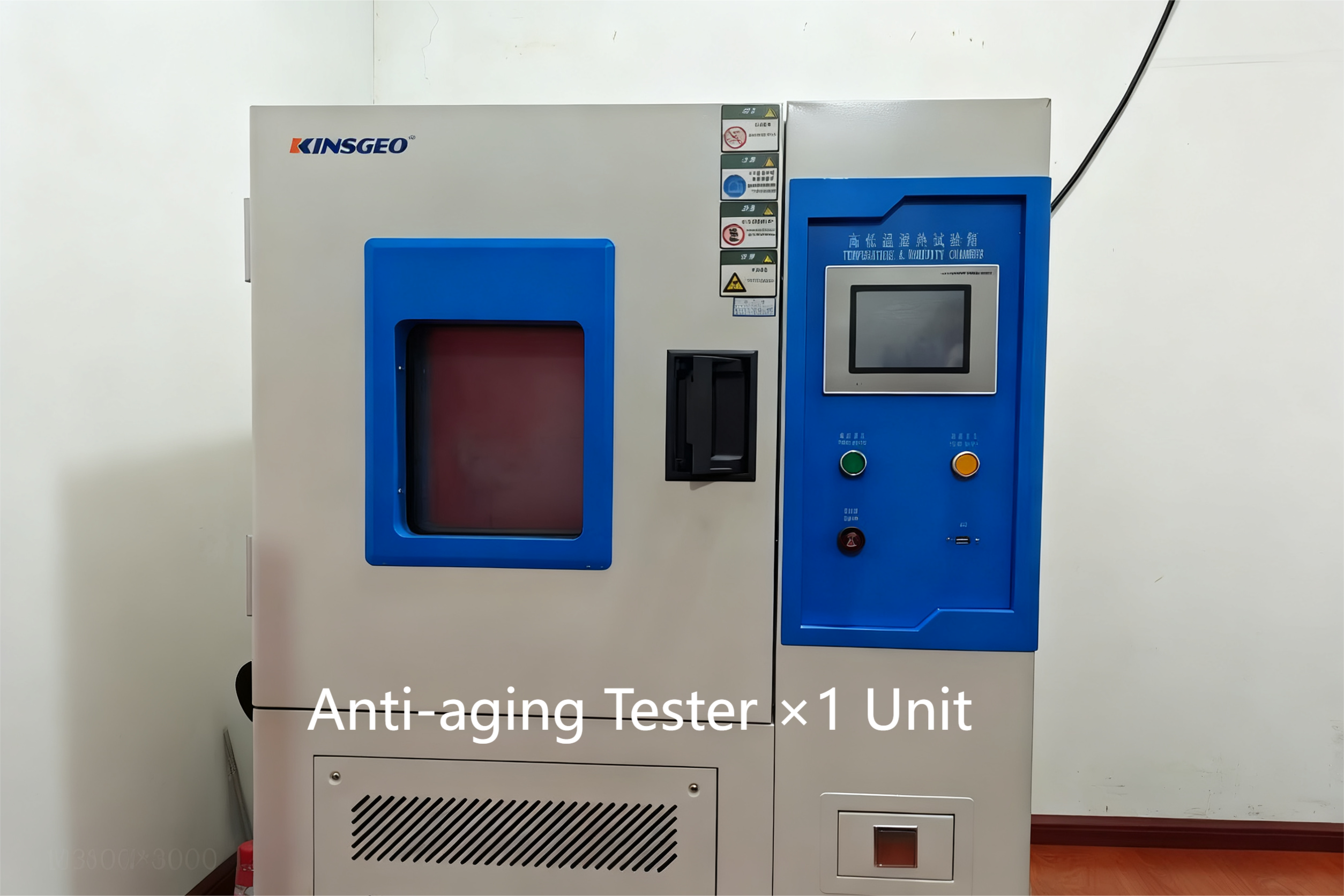
To realistically simulate harsh automotive conditions, two key temperature- and humidity-related tests are commonly used: the 85/85 test and thermal cycling (hot–cold cycling) test. Both focus on monitoring changes in peel strength under extreme conditions to confirm long-term bonding stability.
3.1 85/85 Test
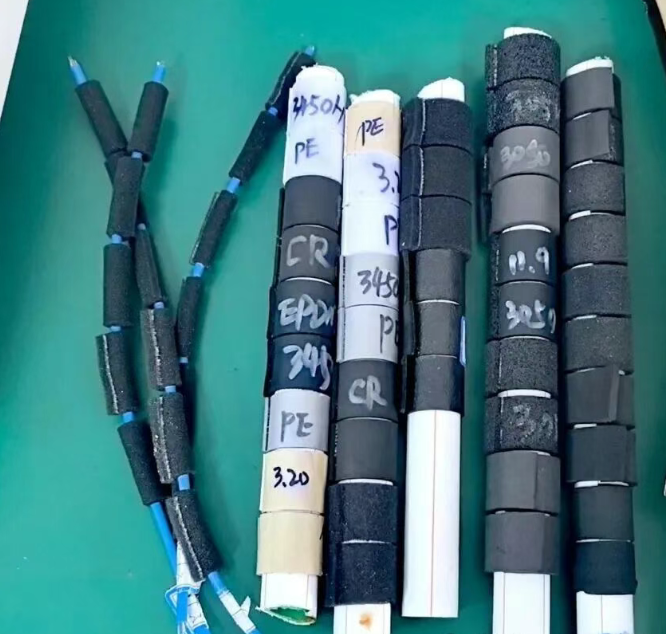
The 85/85 test involves bonding adhesive-coated samples to typical automotive substrates (such as PP, ABS, or textiles) and placing them in an environment of 85 °C and 85% relative humidity for an extended period (duration defined by product requirements).
This test simulates scenarios such as long-term driving or outdoor parking in hot, rainy regions, where the vehicle interior remains in sustained high-temperature and high-humidity conditions. Peel strength is measured at various time intervals. If the reduction in peel strength is minimal and no debonding or adhesive residue issues occur, the adhesive demonstrates strong resistance to hygrothermal aging.
3.2 Thermal Cycling Test
While the 85/85 test focuses on sustained heat and humidity, the thermal cycling test simulates dramatic temperature fluctuations across regions and seasons. Typical conditions range from –40 °C (severe winter) to 100 °C (summer sun exposure), with repeated cycles consisting of low-temperature dwell, heating, high-temperature dwell, and cooling phases.
Under such “thermal shock” conditions, both adhesive and substrate expand and contract at different rates. If the adhesive lacks sufficient flexibility or cohesive strength, cracking or delamination is likely. This test evaluates dimensional stability and long-term adhesion durability. Only adhesives that remain firmly bonded without edge lifting or failure after multiple cycles are considered suitable for all-climate, all-region vehicle use.
4. Conclusion: Only Tested Performance Qualifies for Automotive Interiors
From an adhesion mechanism perspective, water-based PSAs rely on a balance between molecular attraction, wetting, and cohesive strength. Extreme automotive conditions—high temperature, high humidity, and temperature fluctuations—directly challenge this balance.
The 85/85 test and thermal cycling test precisely evaluate an adhesive’s resistance to moisture-heat aging and temperature variability by replicating the harshest real-world environments. A water-based acrylic pressure-sensitive adhesive that performs consistently in both tests—maintaining required peel strength without debonding—does more than meet environmental regulations. It provides critical assurance of interior component stability and delivers a safer, more comfortable driving experience.
